ADHD home organisation: a Sydney professional organiser's guide
If you've ever had a burst of energy, cleaned the entire house in an afternoon, and watched it slide back into chaos within a fortnight, you're not doing anything wrong. Most organising advice is written for a kind of brain that doesn't run on bursts and crashes. For ADHD households, the goal isn't more willpower or a better burst — it's a home designed to stay functional even when the energy isn't there.
Here's what tends to actually work.
See it to remember it
Closed drawers and opaque bins are where things go to be forgotten — and then quietly re-bought. Open shelving, clear containers and honest labels keep belongings visible, which does a lot of the remembering for you.
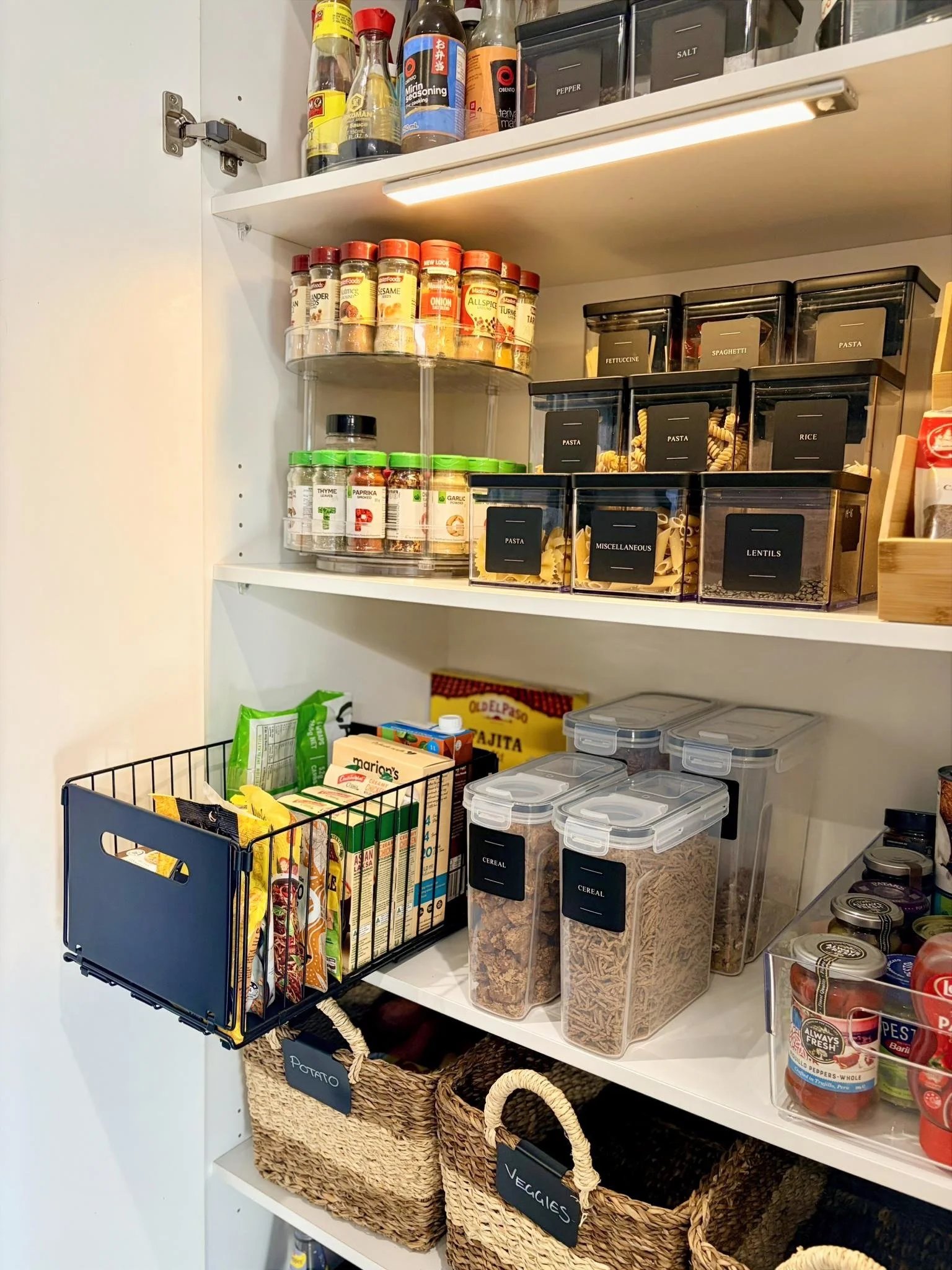
Reduce the steps between "have it" and "away"
The more steps a task takes, the less likely it is to happen on a low-energy day. A basket with no lid beats a drawer that needs opening, sorting and closing. A hook beats a hanger. Think about how the item is actually used in the moment, and design the system around that motion rather than around what looks tidiest in a magazine.
- Open baskets over lidded boxes for anything used daily
- Hooks over hangers for bags, jackets and school uniforms
- Zones by activity, not category — a "launch pad" near the door for keys, bags and shoes works better than keys living in a drawer across the house
- Visual, colour or icon labels, not just text, to remove the "where does this go" decision entirely
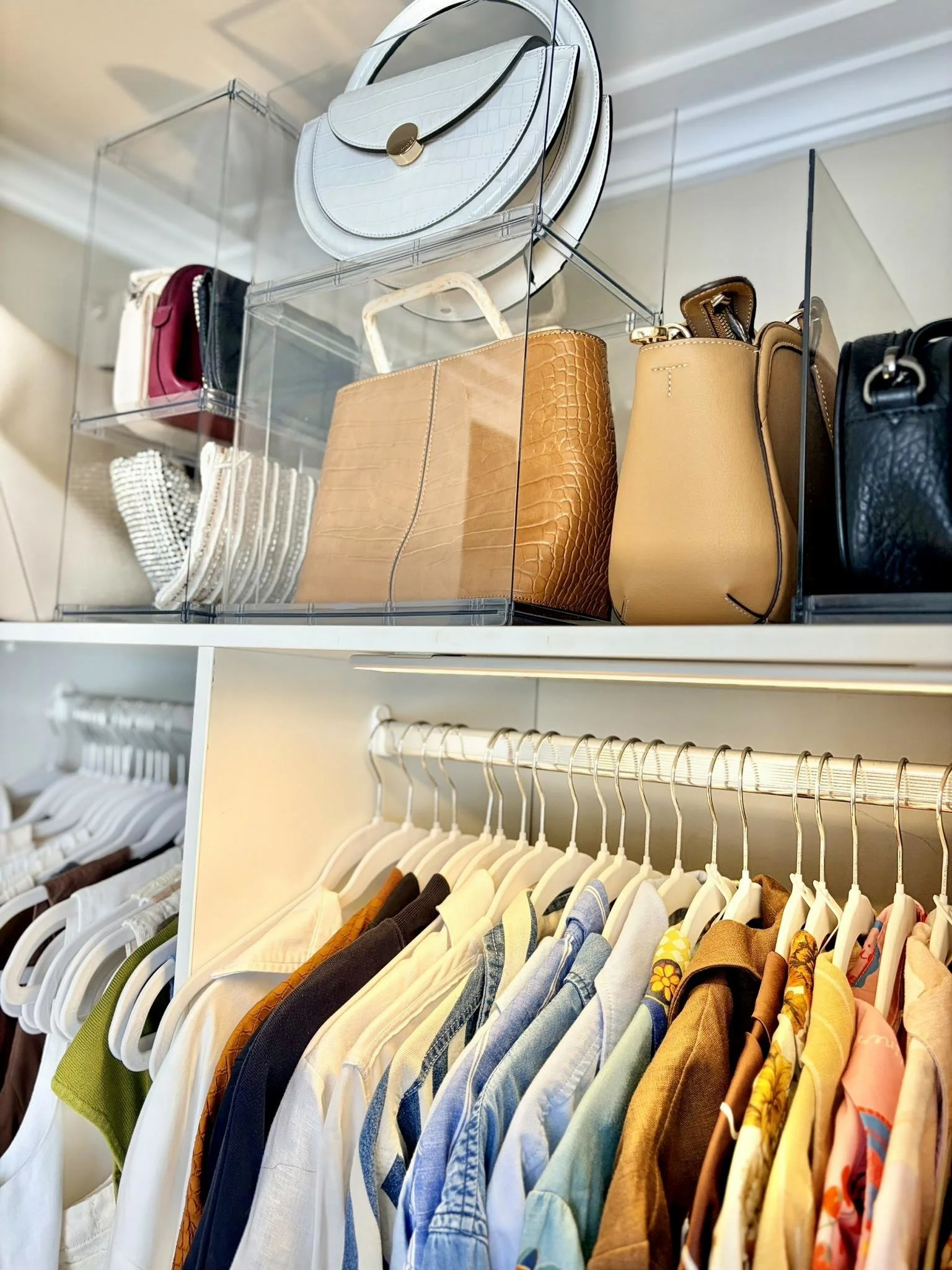
Design for the crash, not just the burst
Energy and motivation for ADHD households tend to move in waves. A system that only works when maintained daily will collapse the first busy or low week — and then the collapse itself becomes a source of shame, which makes starting again even harder. Build in forgiveness instead.
A single "reset basket" or clear surface where things can be dumped on a hard day, then sorted properly later, does more for long-term tidiness than any elaborate system. It gives the mess somewhere contained to go, rather than spreading room to room.
For sensory needs too
Where autism sits alongside ADHD in a household, storage benefits from calm, predictable visuals: fewer competing colours and patterns, consistent "homes" for items, and attention to the sensory experience of the storage itself — a soft-close drawer over one that slams, smooth containers over ones with rough or sticky textures.

Small and frequent, over big and rare
Where possible, little-and-often maintenance beats occasional deep overhauls — ten minutes most days is more sustainable than one exhausting weekend a month. That said, most ADHD households need a proper reset first, simply to get to a starting point that's realistic to maintain. That's usually where professional home organisation support makes the biggest difference: someone else does the heavy lifting of the first transformation, and leaves you with systems designed to survive real life.
Ready to get started?
Book a free 15-minute consultation and let's talk about your space, no obligation.
Book a free 15-min consult